Omega-3 fatty acids are essential fats are some nutritional staples that will always get an A plus from most everyone. Praised for heart health, brain function, even mental wellness, Omega-3s are a type of fat your body cannot produce alone; that is why it is pretty crucial to find them in the diet or supplement forms.
So, what are these omega-3s? Why do they find their way towards the being beneficial for you? And the best sources where? OK let’s break it down bit by bit.
Table of Contents:
What are Omega-3 Fatty Acids?
Omega-3 fatty acids are a type of polyunsaturated fat in which the human body just about uses them for nearly everything. There are actually three primary types of Omega 3s:
ALA (Alpha-linolenic Acid): This is usually the most prevalent type of Omega-3 in your diet, occurring mostly in plant oils. Because your body has to convert these to the other two types, it converts them at a relatively low rate.
EPA (Eicosapentaenoic Acid): These are the anti-inflammatory usually found in fish and shellfish. They have a special role in heart health.
DHA: It is known to be present in fatty fish and shellfish, but also very importantly for brain development and optimal cognitive functions, especially around the eyes.
So, these three are taken uniquely for their function so as to ensure proper intakes of these varieties for optimal health benefits.
Omega-3 Health Benefits
Advantages that omega-3 presents are not only numerous but also very much researched extensively. The health benefits encompass:
1. Promotes Healthy Heart
Omega-3 decreases triglycerides, reduces blood pressure, and thereby decreases the chance of getting a heart disease. They ensure that your arteries remain unblocked by inhibiting plaque formation.
2. Boosts Brain Activity
DHA is the largest structural component of brain cells. Adequate intake of Omega-3 has been correlated with improved memory, sharper mental acuity, and lower age-related decline.
3. Anti-Inflammatory Effects
EPA and DHA are the most potent anti-inflammatory. By lowering chronic inflammation, Omega-3s regulate diseases like arthritis, autoimmune diseases, and inflammatory bowel diseases.
4. Mental Health Benefits
Scientists believe that Omega-3s, particularly EPA, lessen the severity of depression, anxiety, and other mood disorders.
5. Eye Health
DHA constitutes an important component of the retina. The consumption of high levels of Omega-3s will decrease the likelihood of age-related macular degeneration and dry eye syndrome.

6. Support Healthy Pregnancy
Omega-3 fatty acids are crucial for the development of a fetal brain and can minimize the risk of delivering prematurely. Pregnant women are generally recommended to increase intake amounts of Omega-3.
7. Glowing Skin
Omega-3 fatty acids make your skin look smoother and healthier as they balance oil production and also minimize inflammation. Omega-3 fatty acids may help conditions such as acne and eczema as well.
The Best Omega-3 Sources
Now that you know what Omega-3s are all about, it’s time to look at the best sources of nutrition to add into your diet. These sources are balanced with ALA, EPA, and DHA. So, you will always have what your body needs.
1. Fatty Fish
Fatty fish is the gold standard for getting Omega-3s because it contains both EPA and DHA. Try to consume two portions a week.
Salmon: loaded with omega-3s, high in protein, and full of vitamin D. Wild-caught usually has more nutrients than farmed salmon.
Mackerel: Little oily fish, tons of omega-3s and vitamin B12
Sardines: Extremely cheap and nutrient rich, low mercury values and high in omega-3s.
These are the least appreciated sources of omega-3s. It will give a really big wallop to anything that it touches.
Herring: It is a staple food in the north of Europe. It has huge stores of both omega-3 and vitamin D
2. Flaxseeds
The richest plant source of ALA is flaxseeds. Ground flaxseeds are easily digestible and marvelous in smoothies, oatmeal, and baked products.
Sprinkle 1-2 tablespoons of ground flaxseeds over your breakfast cereal or mix them into yogurt.
3. Chia Seeds
These tiny seeds are high in ALA, fiber, and protein. Chia seeds can be added to almost any food.
Serving Idea: Mix chia seeds into smoothies, puddings, or overnight oats.
4. Walnuts
Walnuts are the only tree nut that is very rich in ALA. It is also a good source of antioxidants and healthy fats.
Serving Idea: A few handfuls of walnuts make a perfect snack or crunchy salad topping.
5. Hemp Seeds
Hemp seeds contain all the amino acids necessary to make a complete protein, and they are an excellent source of ALA. Other essential fatty acids that include Omega-6 exist in hemp seeds.
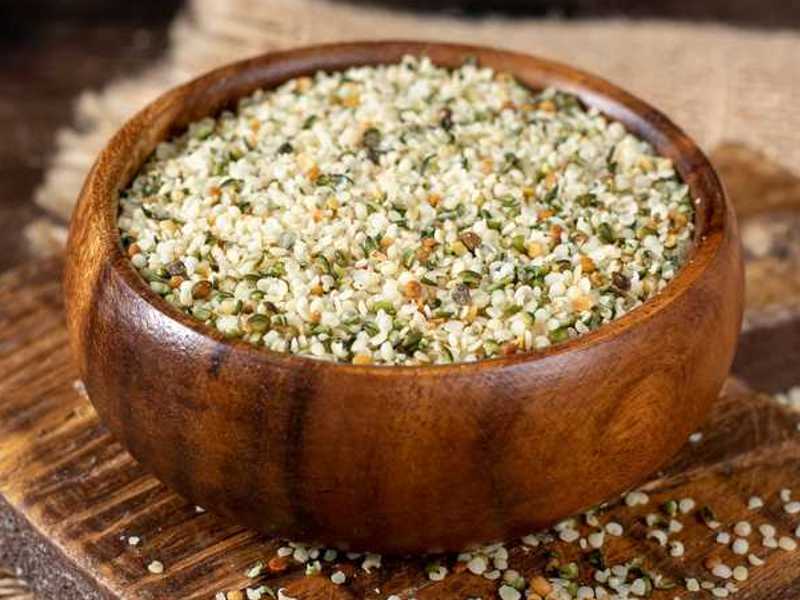
Usage: Mix hemp seeds into smoothies, or sprinkle over yogurt or salads.
6. Algal Oil
Algal oil is another excellent supplement for vegetarians and vegans as it delivers DHA and EPA via algae, not fish oils.
Recommended serving: Algal oil supplement
Algal oil supplements are easy to take and can be taken as a daily supplement.
7. Edamame
Edamame is an ALA plant-based form. They are also an excellent natural source of protein and extremely high in fiber.
Serving Idea: Steam edamame or toss into salads and other stir-fries.
8. Canola Oil
Canola oil also has a relatively balanced ratio of Omega 3 and Omega 6 fatty acids. It is also an all-purpose cooking oil that one can use for sautéing, baking, or frying.
Serving Idea: Use canola oil for dressings or light cooking.
Supplements: When Foods Aren’t Enough
Supplements are a good idea if you can’t get enough through food. Some of the common types include:
Fish Oil Capsules: This is a simple way to deliver your EPA and DHA.
Krill Oil: The form of omega-3 can be better absorbed in your body.
Algal Oil: This is best when you’re on a diet that’s strictly plant-based.
Of course, this is without saying that before adding any supplement to your diet, it’s always advisable to first see a doctor, even if pregnant, nursing, or on any type of medication.
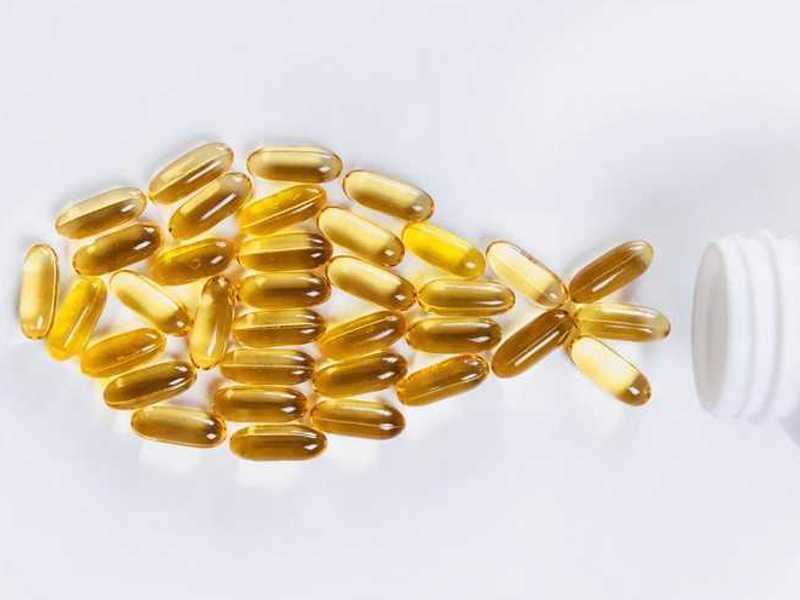
Boost Your Omega-3 Levels
Diet: Include fatty fish in every meal for a week.
Snack smart: Healthy pick-me-ups that include walnuts, chia seed pudding, or flaxseed crackers
Add ground flaxseeds, chia seeds, or hemp seeds to smoothies.
If your diet is not quite enough, look into adding Omega-3 supplements to your health arsenal.
The Bottom Line
Maybe the omega-3 fatty acids are even more crucial to a balanced and healthy diet. They promise improvement of your heart and cognitive functions, reduce the level of inflammation, uplift your mood, and possibly much more. If supplements of good quality or varieties of foods, rich in omega-3, form part of your diet, it will then give your body all it needs to survive.
Don’t write off these teensy-weensy tiny but mighty micronutrients. Your heart, your brain, your body-and soul-will thank you!
Similar Posts:
- None Found