Moringa didn’t come to play. This skinny little tree, often called the “miracle tree,” strolls into the wellness world like it owns the place — wearing shades, sipping coconut water, and flexing its vitamin-packed muscles. For a plant that looks suspiciously like something your grandma would boil and make you drink “for strength,” moringa’s having a serious moment.
Let’s peel back the leafy layers of this green legend and find out why people are sprinkling it in smoothies, rubbing it on their skin, and writing songs about it (okay, maybe not yet…).
Table of Contents:
So… What Is Moringa, Anyway?
Moringa oleifera sounds like the name of a Roman goddess, but it’s actually a fast-growing tree native to parts of Africa and Asia. It’s sometimes called the drumstick tree — thanks to its long, lanky seed pods — or the horseradish tree, because its roots have a bit of a spicy attitude. You might also hear it referred to as “that powder my roommate swears makes her glow.”
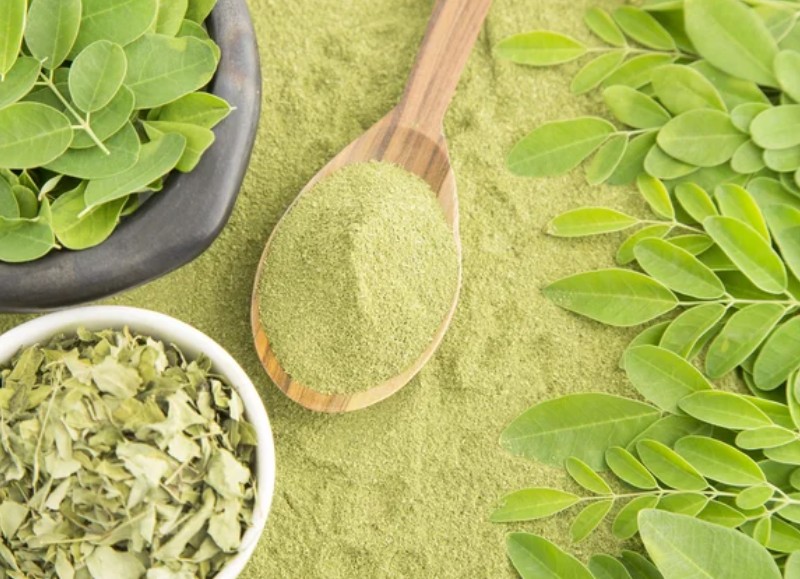
Every part of the moringa tree — the leaves, seeds, pods, bark, roots, even the flowers — is good for something. It’s basically the overachiever of the botanical world. If moringa were a person, it would have a LinkedIn profile so intimidating that other plants would delete their accounts.
Nutrition Goals: Moringa’s Résumé is Ridiculous
Let’s talk about why moringa is the teacher’s pet of the plant kingdom. It has more vitamin C than oranges, more potassium than bananas, more protein than yogurt, and more calcium than milk. You almost expect it to walk in wearing a medal for “Most Likely to Be a Superfood.”
It’s also rich in iron, magnesium, and antioxidants. These antioxidants are like little bouncers for your body, kicking out free radicals, boosting your immune system, and possibly even helping you remember where you left your keys (no promises, though).
Basically, moringa is what spinach wishes it could be after three cups of coffee and a motivational podcast.
Smoothie Fan Approved
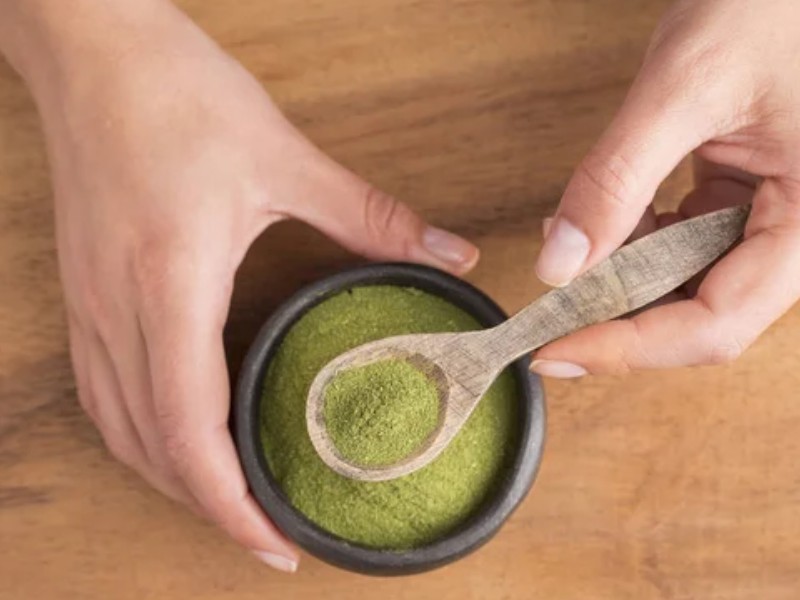
Let’s address the green elephant in the blender: moringa powder does not look delicious. It’s aggressively green. The kind of green that makes you think you’re about to taste a field of lawn clippings. It looks like pond algae and smells like something you’d politely pretend to enjoy at a yoga retreat.

But mixed properly? Moringa turns into a wellness wonder. People are blending it with mangoes, pineapples, bananas, almond milk — basically anything that distracts from the fact that it kind of tastes like spinach with an earthy vibe. Not unpleasant, but definitely a flavor that knows it’s healthy and wants you to know too.
The key is moderation. A little moringa gives you a nutritional punch. A lot might give you a stomach situation that ends with regret and Googling, “How to detox from my detox.”
Moringa for Your Skin
Let’s step out of the kitchen and into the bathroom. Moringa oil has entered the skincare chat, and it’s here to humble your overpriced face cream. This oil is loaded with behenic acid, which sounds fancy and science-y — and it is. It helps moisturize, smooth, and generally make your skin look like it drinks plenty of water and minds its own business.
There are rumors that Cleopatra used it. While there’s no hard evidence she had a bottle labeled “Cold-Pressed Moringa: For Queens Only,” it wouldn’t surprise anyone. Moringa oil is light, non-greasy, and surprisingly good for sensitive skin. Unlike some beauty oils that make you feel like you dunked your face in pizza grease, moringa actually absorbs like it’s on a mission.
The Overachiever of the Herbal World
Moringa doesn’t just sit there being nutritious and pretty. No, this plant wants extra credit. It’s been studied for its potential anti-inflammatory powers, its ability to help balance blood sugar, its cholesterol-lowering potential, and even its possible effects on asthma and liver function.
Some folks swear it boosts mood and energy. And honestly, if you were loaded with that many nutrients, you’d probably be in a good mood too. While it’s not a miracle cure for everything — it won’t help you remember your coworker’s birthday or fix your Wi-Fi — moringa definitely deserves a spot in the wellness hall of fame.
Grandma’s Secret Weapon
Here’s the thing: while the trendy health crowd is just discovering moringa and posting about it like they found the holy grail, entire cultures have been casually using it forever. In India, the Philippines, West Africa, and other parts of the world, moringa is as normal as rice or lentils.
It’s been in soups, stews, teas, and curries for generations. It’s fast-growing, drought-resistant, and sometimes the only reliable source of nutrients in tough regions. For many communities, it’s not a luxury item — it’s survival food.
So while Westerners put it in their “superfood smoothie bowls,” others are nodding politely, sipping moringa leaf tea, and saying, “Cute. We’ve been doing that for centuries.”
The Side Effects Nobody Talks About
Let’s pump the brakes for a second. Moringa might be a superstar, but it’s still a plant — not a superhero.
Too much of it, especially in powder form, can upset your stomach in ways that require… privacy. People new to moringa should start small and observe how their digestive system feels about it before jumping in with a tablespoon and a prayer.
Also, if you’re pregnant, nursing, or on medications, it’s smart to check with your doctor first. Just because it’s natural doesn’t mean it’s automatically safe for everyone. Moringa has strong opinions — and not everyone’s body likes loud guests.
So… Is It Worth the Hype?
Honestly? Yes. If you like feeling energetic, getting more nutrients in one teaspoon than your whole lunch, and casually telling people that your skin is “glowing because of moringa,” then yeah, it’s worth having in your pantry.
It’s not a miracle in the magical sense, but it is ridiculously helpful. You won’t become a superhero overnight, but you might feel a bit more powerful — and who couldn’t use a little of that?
Just use it wisely, respect its strength, and don’t expect it to fix your entire life. It’s a leafy green, not a therapist.
The Moringa Manifesto
In a world where kale gets too much credit and celery juice somehow went viral, moringa sits in the corner, unbothered, packed with vitamins, and waiting to be invited to the party.
It doesn’t need flashy branding or celebrity endorsements. It just quietly does the job of five other foods while you wonder how a powder that green can be so good for you.
So if you haven’t tried moringa yet, give it a shot. You don’t have to join a cult or sell your soul to the wellness gods. Just toss a little in your smoothie, smile at your reflection, and know that somewhere out there, a moringa tree is proud of you.
Read next: Why Seeing a Psychiatrist Might Surprise You!
Similar Posts:
- None Found